B 1/7 Mahanagar Extension ( Opp. Sahara India Centre ), Kapoorthala, Lucknow - 226006

Mon - Sat: 10:00am to 8:30pm
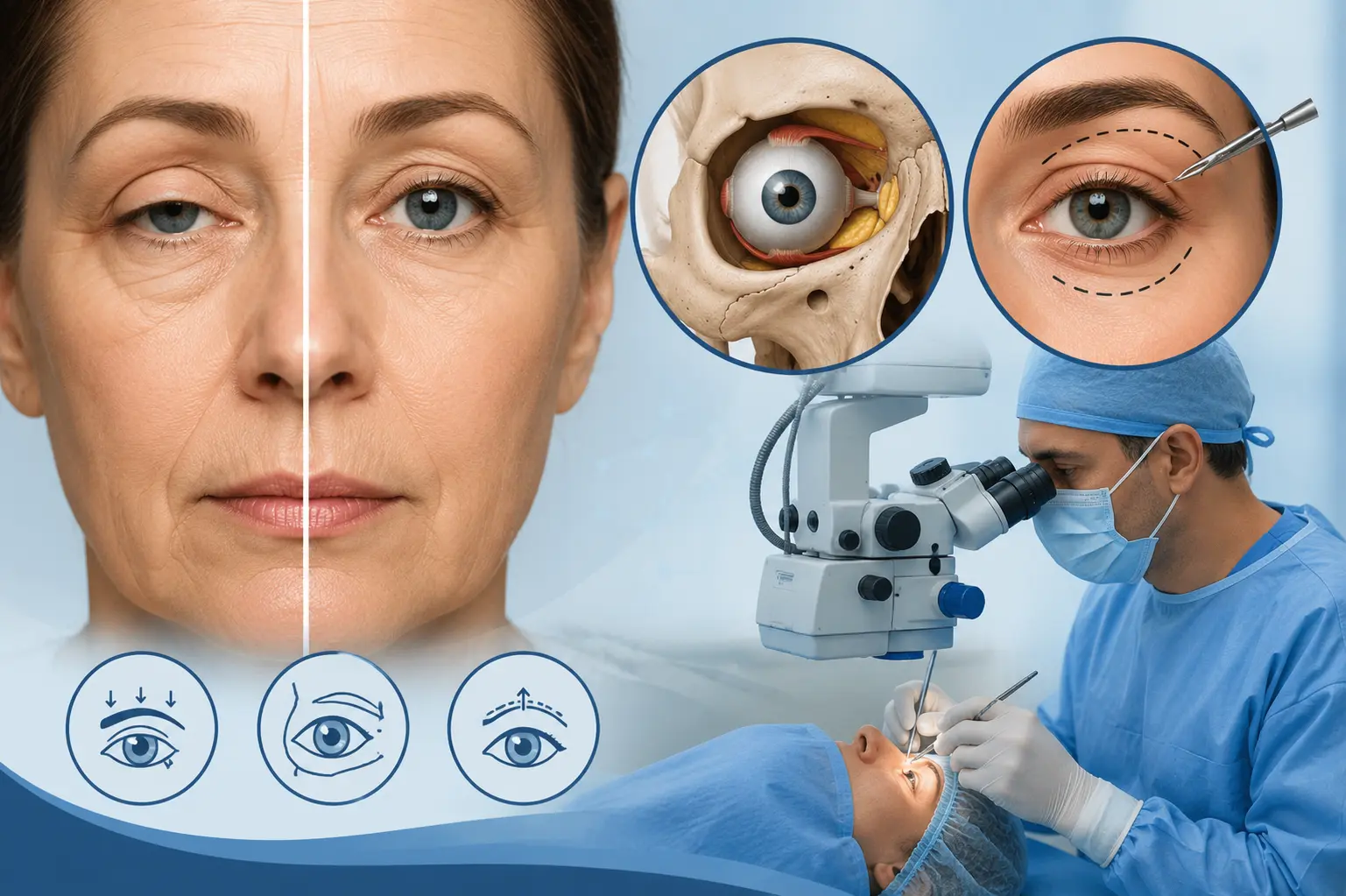
Do your eyelids feel heavy by evening? Do you look tired even after a full night's sleep? You are not alone. Thousands of people quietly live with droopy eyelids or eye socket problems, thinking it is just "part of getting older." But in many cases, it is a treatable medical condition. If you are searching for a reliable eye hospital in Lucknow, this guide will help you understand what orbit and lid surgery is, when you need it, and how Susanjeevani Hospital can help you see and look better.
What Is Orbit & Lid Surgery?
Orbit and lid surgery is a specialised branch of eye care. It treats problems related to the eyelids and the bony socket (orbit) that holds and protects your eye. This branch is called oculoplasty. It sits at the crossroads of ophthalmology and plastic surgery.
Doctors who perform this surgery are called oculoplastic surgeons. They are trained to fix both function and appearance. That means they don't just improve how your eyes look. They also restore how well you can see, blink, and protect your eyes.
Why Should You Care About This?
Your eyelids do more than just open and close. They:
- Protect your eyes from dust, wind, and injury
- Spread tears evenly to keep your eyes moist
- Help control how much light enters your eyes
- Play a big role in how expressive and youthful your face looks
When something goes wrong with your eyelids or eye socket, it can affect your vision, comfort, and confidence. Left untreated, some of these conditions can even lead to permanent vision loss.
Common Signs You Might Need Orbit & Lid Surgery
Not sure if your symptoms are serious? Watch out for these signs:
- One or both eyelids appear lower than usual
- You tilt your head back or raise your eyebrows to see clearly
- Your upper eyelid skin folds over your eyelashes
- You struggle to fully close your eyes at night
- Your eyes water constantly or feel dry and irritated
- You notice a lump, swelling, or bulging around the eye
- Your eyes look uneven after an injury
- You have persistent redness, pain, or pressure around the eye socket
If any of these sound familiar, it's worth getting a proper eye check-up rather than waiting it out.
Conditions Treated Under Orbit & Lid Surgery
1. Ptosis (Droopy Eyelid)
Ptosis happens when the upper eyelid sags lower than normal. It can be present from birth or develop with age, injury, or nerve problems. In mild cases, it is just a cosmetic concern. In severe cases, it blocks the line of sight and affects daily activities like reading or driving.
Treatment usually involves strengthening the muscle that lifts the eyelid, or using a small sling to support it. The right approach depends on your age, cause, and severity.
2. Blepharoplasty (Eyelid Reshaping)
As we age, eyelid skin loses elasticity. Fat pads shift, and muscles weaken. This creates excess skin on the upper lid and puffy bags under the lower lid. Blepharoplasty removes this extra skin and fat, giving a fresher, more alert appearance. It can be done for cosmetic reasons or to restore vision blocked by sagging skin.
3. Entropion and Ectropion (Eyelid Malposition)
Sometimes the eyelid turns inward (entropion) and eyelashes rub against the eyeball, causing constant irritation. Other times, it turns outward (ectropion), exposing the inner surface and causing dryness and watering. Both conditions are correctable with a short surgical procedure.
4. Orbital Fractures and Trauma
Accidents, falls, or sports injuries can fracture the delicate bones around the eye. This can cause double vision, sunken eyes, or restricted eye movement. Reconstructive orbital surgery repairs the bone and soft tissue, restoring both function and facial symmetry.
5. Thyroid Eye Disease (TED)
An overactive or underactive thyroid can sometimes affect the tissues around the eyes, causing them to bulge, feel dry, or become swollen. This condition, called thyroid eye disease, needs a combined approach involving eye specialists and endocrinologists.
6. Orbital Tumours and Cysts
Growths behind or around the eye, whether harmless or cancerous, may need surgical removal. Early diagnosis and treatment give the best chance of protecting both vision and appearance.
7. Blocked Tear Ducts
Constant watering of the eyes is often caused by a blocked tear drainage system. A minor surgical procedure can reopen the pathway and stop the discomfort for good.
What Happens During the Surgery?
Most orbit and lid surgeries are done under local anaesthesia, which means you stay awake but feel no pain. Depending on the condition, the procedure can take anywhere from 30 minutes to a couple of hours.
Here is a simple breakdown of what to expect:
- Consultation and diagnosis — Your surgeon examines your eyelid position, eye movement, and overall eye health, sometimes with imaging tests.
- Pre-surgery planning — The surgeon explains the technique, expected results, and any risks involved.
- The procedure — Small, precise incisions are made, often hidden within natural eyelid folds so scars are barely visible.
- Same-day discharge — Most patients go home the same day with simple aftercare instructions.
Recovery: What to Expect After Surgery
Recovery timelines vary by procedure, but here is a general idea:
- Mild swelling and bruising for the first 5 to 7 days
- Cold compresses help reduce swelling in the initial 48 hours
- Most people return to normal daily routines within a week
- Complete healing and final results are visible within 4 to 6 weeks
- Follow-up visits help track healing and remove any stitches
Your surgeon will give you specific care instructions, including which activities to avoid and how to protect your eyes from sun and dust during recovery.
Why Choose Susanjeevani Hospital for Orbit & Lid Surgery?
Choosing the right hospital matters as much as choosing the right treatment. Here is what sets Susanjeevani Hospital apart:
Experienced oculoplastic surgeons who specialise in both functional and cosmetic eyelid procedures.
Modern diagnostic tools that help detect the exact cause of your eyelid or orbital problem.
Personalised treatment plans built around your specific condition, age, and goals.
A patient-first approach, with clear communication before, during, and after your surgery.
Comfortable, hygienic facilities designed to make your treatment journey smooth and stress-free.
If droopy eyelids, puffiness, or eye socket discomfort have been bothering you, don't wait for it to get worse.
Book a consultation with Susanjeevani Hospital today and take the first step towards clearer, more comfortable, and more confident eyes.
